According to Safe Work Australia’s Key Work Health and Safety Statistics 2025, men lodge the majority of serious workers’ compensation claims in Australia, meaning an injury serious enough that it involves at least one week off work.
Sue Chennell, Director of Shared Safety + Risk, sees this in the work she does every day to help organisations manage the physical and psychosocial risks of work. In her experience, men are less likely to seek early intervention, from both a physical and a mental health perspective, which can sadly lead to poor health outcomes.
This is supported by data from outside the workplace. The Australian Bureau of Statistics’ National Study of Mental Health and Wellbeing found that only 36.4% of men with a mental disorder saw a health professional for their mental health in the previous 12 months. For women, the number is 51.1%, representing a significant difference in seeking help and treatment.
Every role has its own risk profile
Men across the drinks industry work in a wide range of role types and locations, from corporate head office to vineyards, breweries and bottling facilities. Sue says the health and safety risks in each look very different.
In corporate roles, the main risks come from long periods of sitting, long hours, travel and stress. Sue says stress is often treated as purely a mental health issue. “When we talk about mental health at work or psychosocial risks, everyone thinks it’s just the psychological impacts,” she explains. “But there are a lot of physical manifestations of burnout and other mental health aspects of work, including cardiovascular disease, fatigue and poor sleep.”
Standing desks, walking meetings, taking phone calls while standing up and getting outdoors for some sunshine during the day can all make a meaningful difference. “They’re now becoming the thing to do,” says Sue.
In breweries, wineries and manufacturing facilities, the focus shifts to manual handling and whether workers are fit for the physical demands of the job. Sue says that a task that feels routine can still lead to injury so complacency must be avoided.
She recommends breaking jobs down through a task analysis to identify the risks. “If you chat to the people actually doing the work and look at the way the work is designed, you can do all sorts of things to help prevent injury, whether it’s introducing a new trolley or a higher bench.”
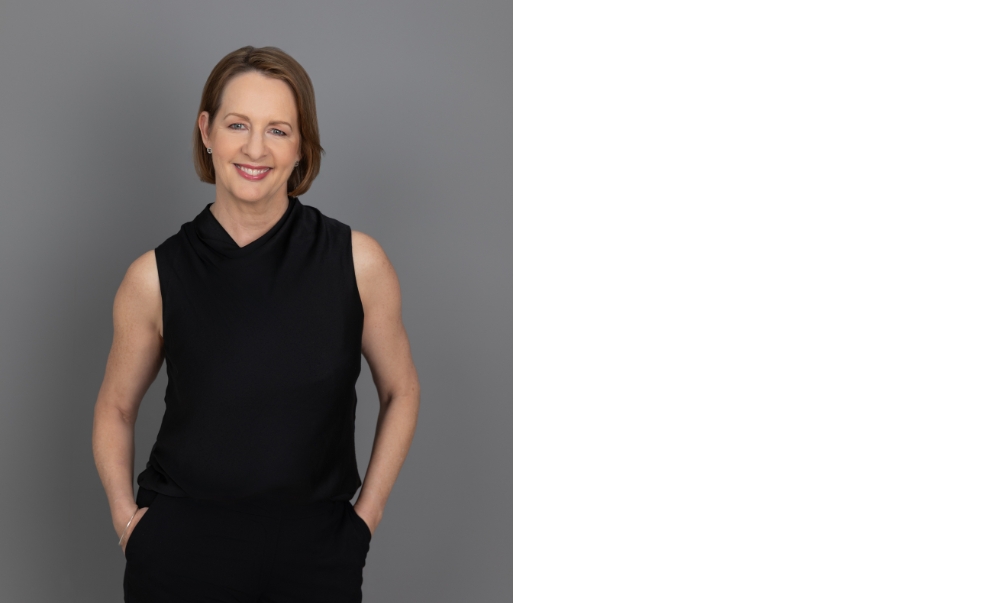
Image: Sue Chennell, Director of Shared Safety + Risk
Leaders set the tone
“Health, wellbeing and safety in the workplace is a leader's responsibility,” Sue says. “It’s required under the legislation but it’s also just the right thing to do. Leaders are going to get more out of their workforce if they’re healthy and safe.”
When checking in with their people, Sue encourages leaders to go beyond asking how they are to asking how their work is affecting them. “Is it workload? Is it the setup? Is it the environment? Is it how we’re lifting? Leaders being more curious about their workforce and how they’re working can resolve so many problems.”
“It’s also that leaders set the tone by looking after their own health and wellbeing. When male leaders champion mental or physical health, whether it’s a small business or a large business, it has a massive flow-on effect for other men in the workplace.”
This article was written as one in a series for International Men’s Day 2026. By recognising this day, we’re helping to put men’s health and wellbeing on the agenda.